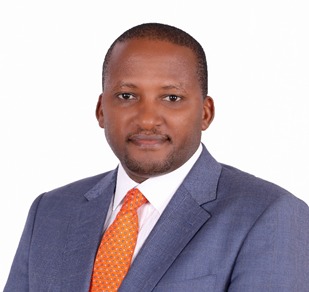


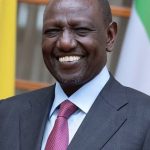
By Hon. Charles Bakkabulindi.
Fellow workers welcome back from the second country lockdown of Covid-19 pandemic now ravaging the world of work and causing huge adverse effects on economies, labour markets, and societies across the country
At the onset of the crisis Uganda government was quick to enforce stringent preventive measures to limit the spread of the virus. The government stopped international air and sea travel to majority of countries, closed borders, banned public gatherings, restricted citizens’ movement, and imposed lockdowns, including the closure of schools and businesses.
Thousands of workers in Uganda mainly those at the lower end of the labour markets, in precarious jobs or the informal economy are paying a high price and left into poverty. Among the most hit by the crisis, women workers, young and old age workers, who are losing their jobs and livelihoods, without enjoying proper social protection?
The lockdown measures in the country have had a huge, ever-growing impact on industrial relations as most workers cannot move to their workplaces or carry out their jobs
The new working arrangements put in place by government without considering challenges to workers have serious effects on the incomes, health, and safety of all workers, mainly those in informal and casual employment. Also, the lack of protection in health and safety, excessive working hours, precarious working conditions, and poor regulatory framework increase the chances of exploitation of all workers, particularly for the low-income and disadvantaged groups.
The outbreak posed high risks on different groups of workers who are in the frontline emergency response, like health care workers, transport and delivery workers, and particularly those actively involved in the management of the outbreak ,thefirst responders from emergency medical teams, health-care workers in emergency units and specialized treatment units, transportation, and first aid.
Whereas the country has begun easing the lockdown measures the process is necessarily only gradual and tentative, as government try to balance the economic benefits and health risks of lifting restrictions.
Re-opening workplaces require occupational health and safety regulations, procedures, and systems that provide the basis for a return to work are in place, Social dialogue and negotiations between employers and unions are central to this. Arrangements that are simply imposed on workers without consultation and union involvement pose an additional risk to working people.
As trade union leaders we need to enhance our role in protecting workers in workplaces as a priority to respond to the COVID-19 crisis and beyond. Moreover, to promote, and explain the related ILO tools and guides that can help in effort to achieve a better future for all workers
All the evidence shows that workplaces, whether health and care facilities, transport systems, public venues and other places where workers come into contact with the public, or processing facilities, offices and other places where significant numbers of workers are together, are major vectors for the spread of the virus. Good occupational health and safety protect workers, members of their households, and the public. Trade unions and other workers’ organizations have an important role to play in this regard, whether in participating in the decision making and policy responses to the epidemics and recovery plans or at the workplace level.
Workers need to liaise with their union leaders and actively cooperate with employers in the development and implementation of preventive and protective measures. They should strictly follow workplace hygiene practices and adopt responsible behaviors. Unions should contribute to the prevention and protection of workers by giving updated information and promoting solidarity and non-discrimination/stigmatization of workers and sick persons.
Strict adherence to Standard Operating Procedures(SOPs)will protect workers from contracting the deadly virus■