



By Our Reporters.
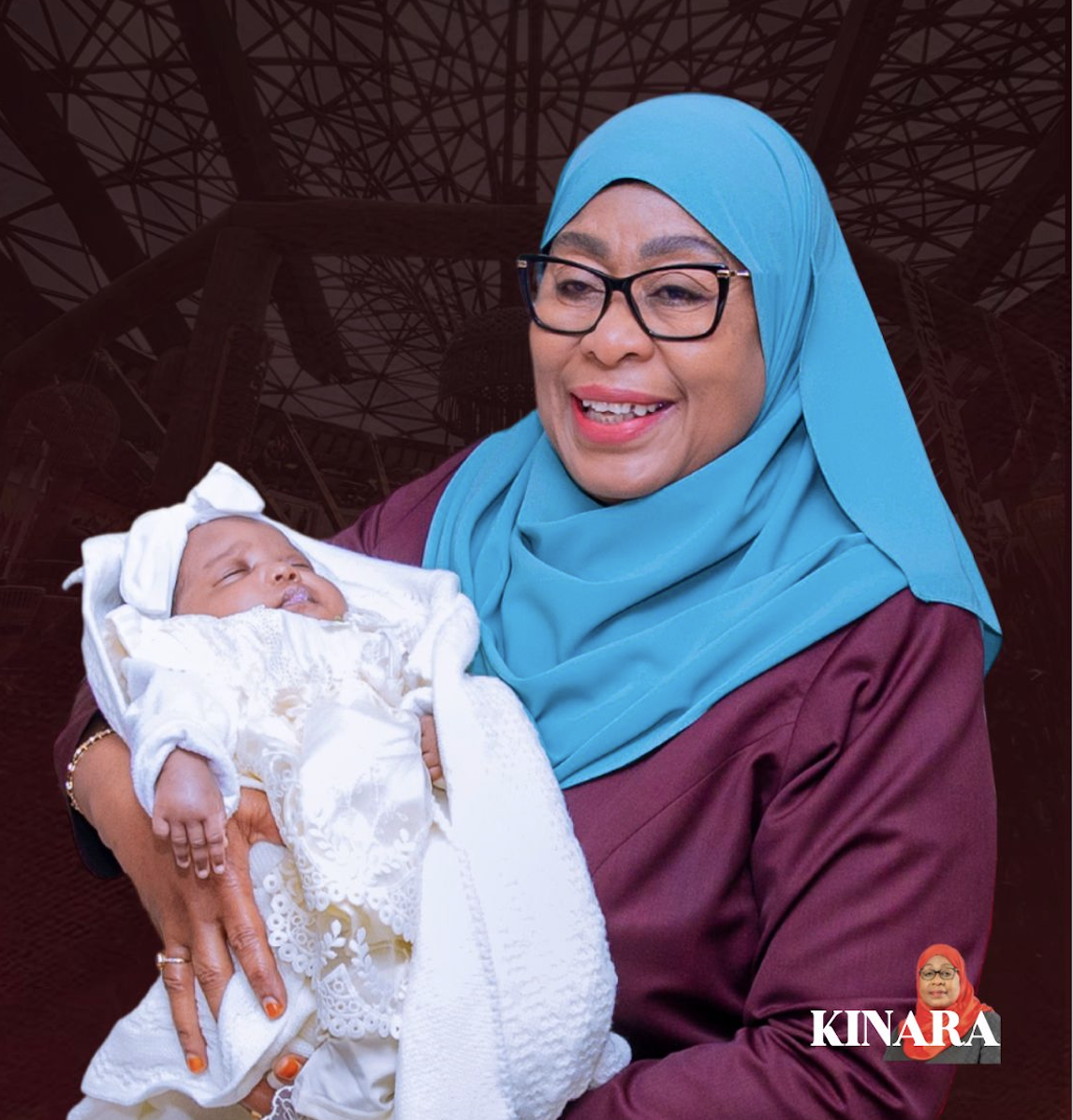
Uganda joined the rest of the world in celebrating International Women’s Day that falls on March 8, 2022.
The National celebrations were held at Kololo Independence grounds under the theme” Gender Equality today for Sustainable tomorrow” President Yoweri Kaguta Museveni was the Chief Guest.
The International Women’s day became more significant after the September 1995 Beijing Fourth World women’s conference. During the event in the Chinese capital 17,000 participants and 30,000 activists attended and delegates were diverse coming from all corners of the globe.
Women spoke with one voice and had a single purpose, “Gender Equality and Empowerment” of all women everywhere.
The political debates lasted two weeks as representatives from 189 governments articulated and made significant commitments that were not only historical in nature but shaped what has become the Beijing Plan of Action to empower women.
A total of 30,000 non – governmental activists and civil society attended parallel forum, and played an active role on exerting pressure on networking and lobbying groups plus decision, and or policy makers.
When the conference finally ended it had produced the Beijing Declaration and Platform for Action, indeed the most progressive blueprint ever for advancing women’s rights.
The critical areas of concern listed in the plan of action were Women and the environment, Women in power and decision – making, the girl child, Women and the economy, Women and poverty, Violence against women, Human rights of women, Education and training of women, Institutional mechanisms for the advancement of women, Women and health, Women and the media and Women and armed conflict.
The proponents of the Platform for Action envisaged a world where each woman and girl can exercise her freedoms and choices, and realize all her ambitions such as to live free from violence, to go to school, to participate in decisions and to earn equal pay for equal work.
Conference participants were inculcated with the new doctrine, sensitized and encouraged, with the good political will, to implement the clear agreements on how best to achieve equality and empowerment. The clear inspirational message became “ What men can do women can do even better”.
In bid to create avenues for encouraging women to take up responsibilities and to narrow the disparity between men and women in allocation of scarce resources, affirmative action was introduced in schools, higher institutions of learning and on elective positions. Today there are more women and girls in Political positions than before, and most countries in the world have domesticated laws against gender – based violence and discrimination, and women live under constitutions that guarantee gender equality.
However no country in the world has fully fulfilled the Beijing commitments as women continue to be discriminated. Women continue to be marginalized, relegated to specific jobs under a biased stereotyping, and earn less than men.
Trade Unions, civil society organizations and their partners should work towards helping women to tackle discrimination, gender based violence, rape, divorce, inheritance, sexual harassment, lack of access to education and health plus lack of equal opportunities in the economy.
Affirmative action should not be seen as move to include more women in positions but women should be allowed to play significant roles in decision – making processes. Let us revisit and implement the 1995 Beijing conference commitments▪■