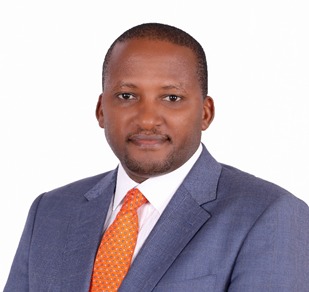




By Hon Agnes Kunihira Abwoli Female Workers MP
agneskunihira@yahoo.com
Collective Bargaining is a key means of determining the best terms and conditions of employment at workplaces. This is an greed standard established by ILO convention 98; it applies to all ILO Member countries and Uganda is one of them.
In preparation of CBAs it is assumed that both women and men are the same in terms of employability, yet most often particular interests and concerns of women are overlooked. At the various stages of collective bargaining agreements most closes are
universally applied to all workers with exception of maternity provisions, yet women have other special needs. The gender-neutral approach may reinforce discrimination as women may be indirectly discouraged to take up some jobs. In most work places the negotiating teams are male dominated as a result women specific issues are never considered.
The number of young female in the reproductive age joining the workforce is rapidly increasing however workplace facilities are not being modified to meet their needs. Also to note a girl child derives the interest to take up either a professional or technical training depending on job availability in the market, yet here in Uganda most technical jobs are still male dominated. I give an example of South African where Railways and the Union have a clause in their CBA which states that for every job 1/3 must be women, as a result they have locomotive drivers, train managers, yard supervisors who
are women, yet locally here there is not even a single female locomotive driver.
This call is therefore important that while unions engage the employers for negotiations, women specific clause must be put in the CBA to promote equity in terms of job penings to both men and women. Another area to consider along side maternity protection
is breastfeeding centres, this is an incentive which will help the employers to maximize the performance of their female staff, some employers believe this is expensive, some have now avoided recruiting women in the reproductive age, but a word of caution is
that all companies and institutions require labour and the only provider of labour is a woman through human creation, But until we fully achieve mechanization at most levels
we must value a woman. Therefore it is imperative that women concerns and priorities are addressed.
Women at workplace need to lobby and ensure that they are properly represented in the Unions and their views are incorporated in the CBAs. This requires women to be part of
the negotiating teams and other workplace committees which may include:
• O c c u p a t i o n a l health, safety and environment committees
• Work Councils
• Company boards where there is employee
Representation To achieve the above, capacity building is paramount.
The unions should press for greater training and richer tasks- assignment opportunities for women, including those in non-permanent jobs and vulnerable positions, ensuring that the skill upgrading and job-enrichment are duly recognized in individuals.
The established workplace committees are always tacked to bring out grievances, with no women on these committees; it would mean grievances concerning women at work
places go un-noticed or un-addressed. Special attention should be given to dealing with issues such as discrimination and harassment.
Proper and sensitive complaints reporting procedures are needed to ensure that women who are discriminated against can make formal complaints without fear of victimization.
Employers and unions should take steps to monitor the working environment to prevent such incidents from occurring.
Employers should recruit female without discrimination and be able to promote women at all levels of their establishment.
Positive measures may be needed to have a proactive approach which may include; :
• An analysis to identify the employment practices that discriminate women.
• Formulation of work place policies and measures to address deficiencies that are identified.
• Monitoring and evaluating the progress of equal opportunities.
The writer is Female Workers Member of Parliament 2016 – 2021■