
BY OUR CORRESPONDENT IN ACCRA
18 September 2026
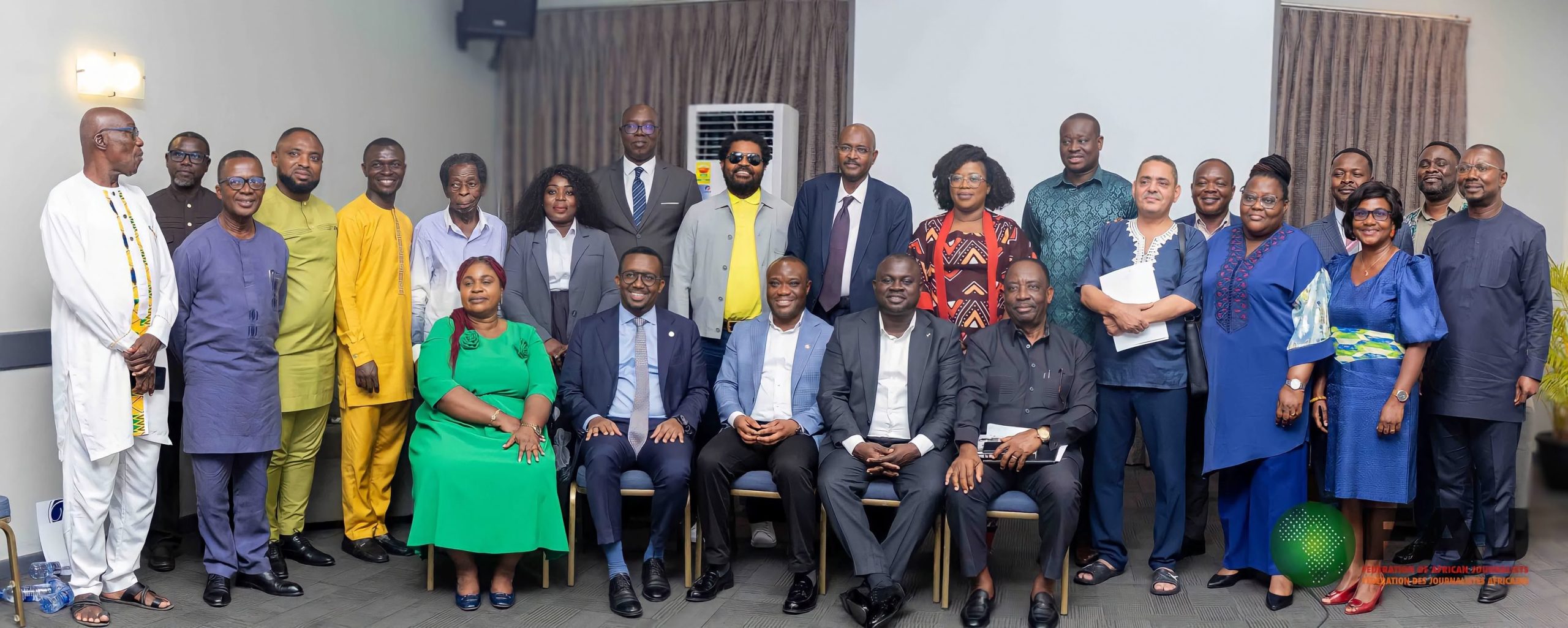
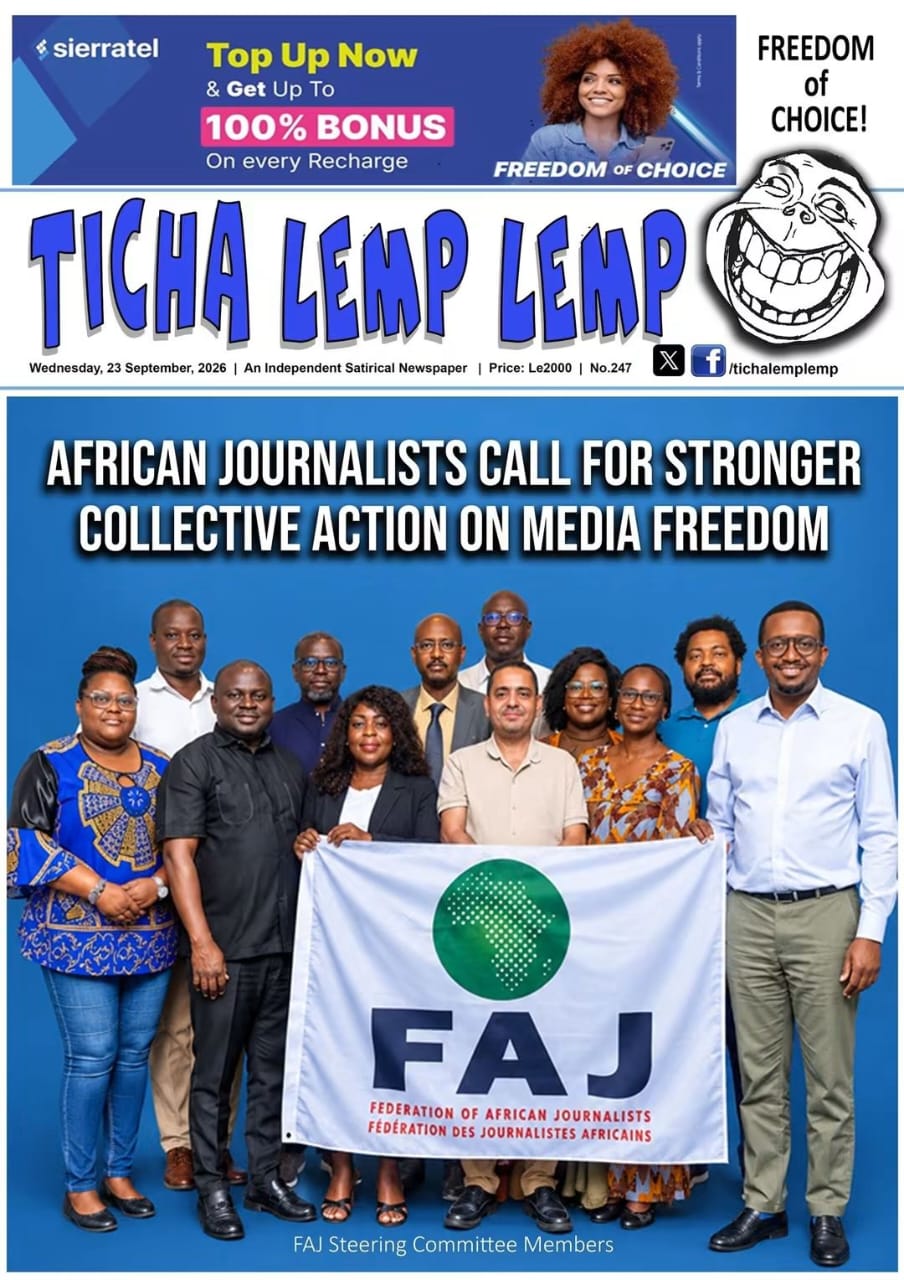
The Federation of African Journalists (FAJ) concluded a two-day Steering Committee meeting in the Ghanaian capital, Accra, where it reviewed progress and priorities in its continental work, took important organisational and financial decisions and agreed on collective responses to the challenges confronting journalists and their organisations across Africa.
During the meeting, held from 17 to 18 September, the Steering Committee assessed attacks on media freedom, violations of journalists’ labour rights and the growing economic pressures facing journalists and news media organisations. Members examined conditions in specific countries and regions, stressing the need for concrete action to defend journalists’ rights and safeguard journalism.
The Committee received reports on FAJ’s activities and programmes, including those of the Pan-African Gender Council and the Working Group on Climate Change. Discussions focused on advancing public-interest journalism across key thematic areas, promoting the leadership and participation of women journalists and ensuring that gender equality and climate change remain firmly integrated into the Federation’s work. The Steering Committee also reviewed FAJ’s growing engagement with the African Union, the United Nations and its agencies. It approved FAJ’s financial and independent audit reports, admitted four new journalists’ organisations to FAJ membership and agreed on measures to advance institutional development and regional activities. The Committee adopted a new communication strategy to increase the voice and visibility of the Pan-African journalists’ movement and considered preparations for forthcoming continental and international activities.
A major decision was the unanimous selection of Ghana to host the 6th FAJ Continental Congress, following consideration of the bid submitted by the Ghana Journalists Association (GJA). The Congress will bring together affiliated journalists’ unions and associations from across Africa to determine FAJ’s programme and priorities, elect its leadership for the next mandate and engage with solidarity organisations and cooperating partners.
During the Accra mission, the FAJ leadership met with John Dramani Mahama, President of the Republic of Ghana, for discussions on media freedom, the safety of journalists, information integrity and the place of independent and quality journalism in Africa’s democratic and development agenda. Ghana was encouraged to play a leading role in continental efforts to reverse the decline in media freedom and promote a safer environment for journalists.
The Steering Committee meeting was hosted by the GJA with the generous support of KGL Group, a leading Ghanaian corporate institution. FAJ commended both organisations for joining forces in the spirit of Pan-African solidarity to host this important continental gathering. The colourful opening session was addressed by the Honourable Felix Kwakye Ofosu, Minister of State responsible for Government Communications; FAJ President Omar Faruk Osman; GJA President Albert Kwabena Dwumfour and Mr Alex Apau Dadey, Executive Chairman of KGL Group.
Minister Kwakye Ofosu said the Government of Ghana would not tolerate the harassment or intimidation of journalists, stressing that the media remained an important partner in the country’s democracy and development. He assured the GJA and FAJ leadership that Ghana would continue to stand for media freedom both at home and across Africa.
FAJ President Omar Faruk Osman said the growing attacks on journalists, restrictions on their freedoms, labour rights violations and economic insecurity required a stronger and better-organised response. He emphasised the vital role of independent journalists’ unions in ensuring that media professionals can work freely, safely and with dignity. Osman also warned against using misinformation, disinformation, hate speech or the misuse of artificial intelligence as excuses for censorship and greater state control of the media. Instead, he called for stronger professional journalism, wider media and information literacy and sustained efforts to protect information integrity.
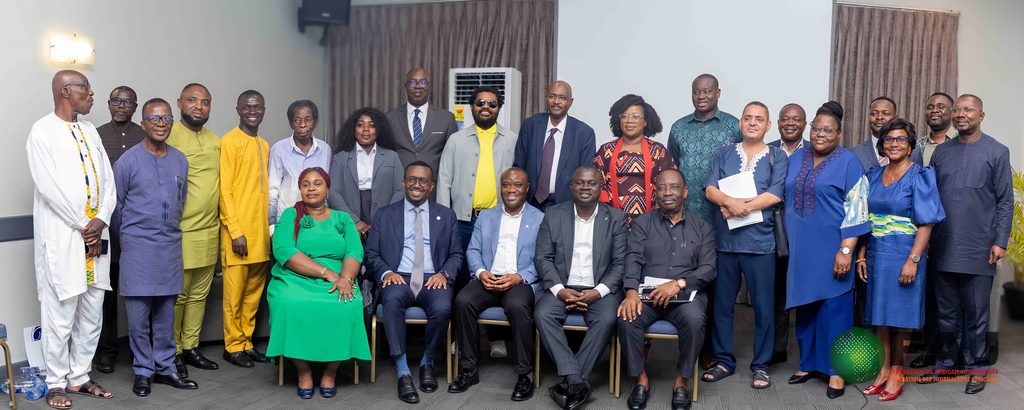
Commenting on the outcome of the meeting, Osman said: “We leave Accra with renewed determination, stronger mobilisation and a clear sense of direction. African journalists are confronting profound changes in their profession and mounting attacks on their rights, but we refuse to respond with lamentation. We are putting forward bold and practical actions to meet these challenges and do what is necessary for the journalists of this continent. Our answer must be stronger organisation, undeterred movement and a powerful collective voice capable of defending journalism and every person who practices it.”
GJA President Albert Kwabena Dwumfour highlighted the welfare and working conditions of journalists. He called for practical measures to improve their safety and professional security as well as closer cooperation among journalists and media organisations to bring meaningful improvements to their working and living conditions.
FAJ called on African journalists to stand together, advance their shared causes and develop African solutions to African challenges while continuing to tell the continent’s stories with independence, courage and integrity. The decisions taken in Accra will guide FAJ’s work in the months ahead, including preparations for the 6th FAJ Continental Congress in Ghana.