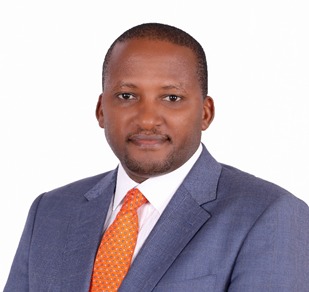

By Hon Charles Bakkabulindi,Workers’ MP.
bakkacharles@gmail.com
What is Social Security?
Social security is defined by the ILO as ” the protection that a society provides to individuals and households to ensure access to health care and to guarantee income security, particularly in cases of old age, unemployment sickness, invalidity, work injury, maternity or loss of a bread winner” Social security is a basic right and a very important factor in the wellbeing of workers, their families and the entire community. It is a human right and a fundamental means of creating
social cohesion, thereby helping to ensure social peace and social inclusion. It is an indispensable part of government social policy and an important tool to prevent and alleviate poverty. The majority of workers in the informal sector have never heard about social protection as a concept or policy concern. They are un aware of the social protection programs that the Government or non Government actors deliver in Uganda. Many of them don’t distinguish SACCOs which are for short term measures and social protection which is a measure for long term.
In Uganda, the extent, to which the population enjoys social security, is still minimal more effort therefore, should be to ensure that factors such as; Legislative framework, National policies and Programs, saving culture, beneficiary coverage, are all aligned with the country’s broad economic frame work.
The levels of interplay between these factors at any given one time determine the population’s protection and confidence in existing social security arrangements. However, many Ugandans are not well informed of their right to social security protection and the benefits that this right accords, in the same way, the employers/ investors have taken advantage of the loophole in the labour laws, and resorted to employing workers on a casual basis, such workers spend many years as casuals, hence no savings for social security, no medical insurance, and no PAYE.
The provision of social protection in Uganda is largely informal as it practically depends on the ‘ extended family, clan and community systems as the traditional source of care for the vulnerable persons to include the elderly, orphaned children, widows, disabled, destitute, incapacitated, victims of disaster, unemployed among others.
The informal socio-cultural regime is beefed up with the formal social protection through the established laws like NSSF Act, pension Act, Police Act, Armed forces pensions Act, Urban authority provident fund and local government provident .fund in addition to other social protection arrangements as applied by the private sector.
Time is now that the law should be amended to include the informal sector, and individuals who are willing to voluntarily save for their future. Government should try to close up the gaps in the existing laws to comprehensively cater for social security protection in the informal sector■