

By Sarah Achen Kibisi
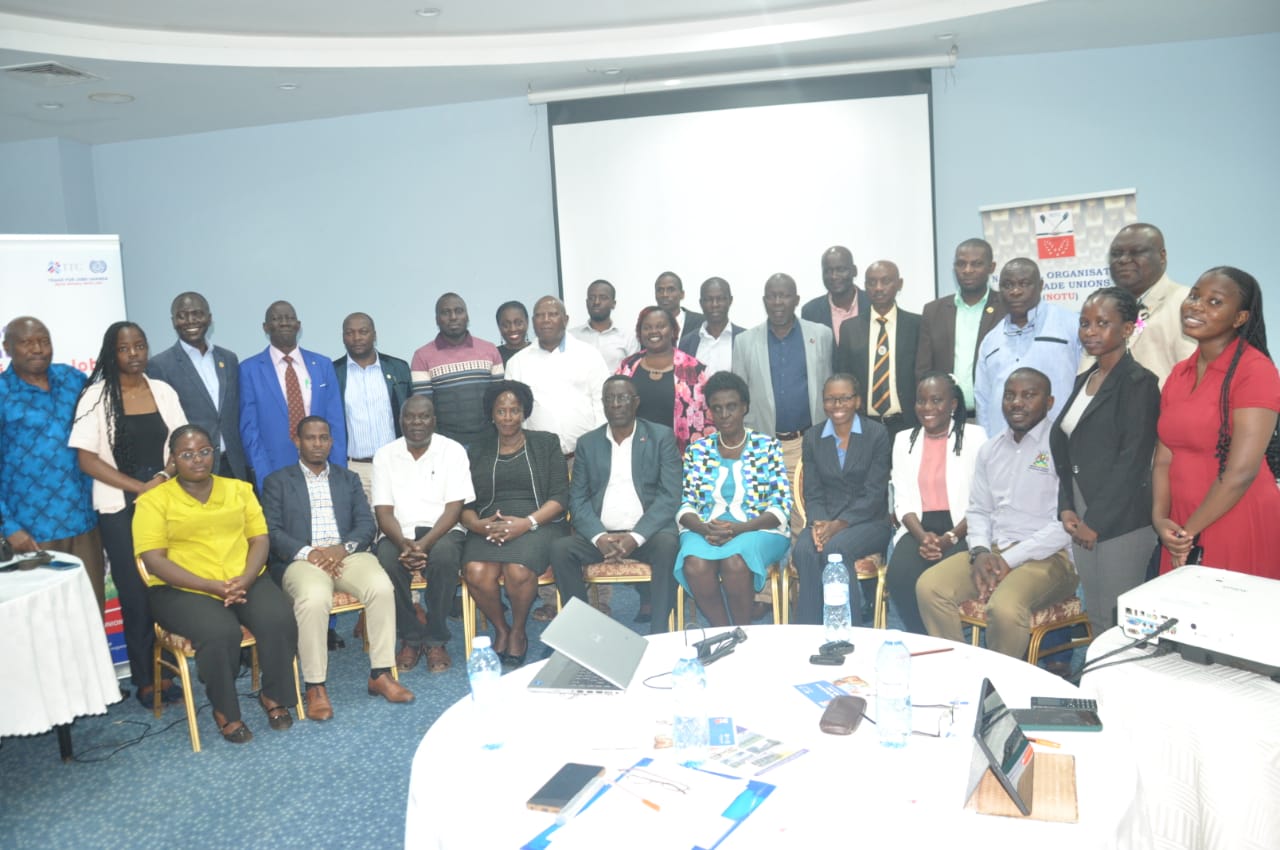
Stakeholders call for integration of urban refugees in the labour market and the employment amendment bill 2022. The call was made by stakeholders advocating for the refugees rights led by PLAVU’s ED Mrs Flavia Amoding Otim held at Eureka Hotel in Ntinda this month. Ms Otim said PLAVU is a national Federation of member organizations of urban poor working in the inform economy. In partnership with International Rescue Committee (IRC). The program aims at supporting refugees and changing policies, practices, and investments to better support refugee livelihoods. She added that the current labour Market and the Employment bill, 2022 only caters for the employer / employee relationship but leaves out the refugees. The Project manager of PLAVU, Mr Bruno Ozima said PLAVU’s scope of work includes conducting advocacy activities to promote social cohesion among urban refugees and hosts. The activities are implemented in Central, Rubaga and Makindye divisions. Executive Director of Voices of Labour a legal organization Ms Robinah Kagoye said there is need to regulate work to safeguard workers especially refugees against exploitation. Counsel Kagoye who was the main discussant effectively presented on the topics namely; discuss the socio-economic rights of refugees in Uganda, analyze the Employment amendment bill No.2 of 2022 in extending protection to refugees in Uganda and discuss and propose mode of Collective Bargaining Agreement (CBA) clauses that extend protection to refugees in Uganda. Ms Divine Kaneza a refugee representative from Burundi said that refugees are always denied jobs due to lack of the national IDs because it’s what is recognized by employers. Sam Gombya the national Chairperson of Arts Union, Kampala Capital City Authority (KCCA) Councillor and a representative of PWDs on NOTU, Executive Board, said when it comes to enforcement, people should be sensitized so that they understand their rights. Markets are not accessible to people with disabilities. “I worked in an organization for two years on probation and when I got tired, I left and that is when I was called back to come to work,” noted Gombya. “If this Employment Act can give a worker a right even we the PWDs will benefit because we are denied employment by recruitment agencies. The feel we can’t work yet we are informal economy,” noted Gombya. Andrew Isabirye from Aha Kampala an implementing partner of UN refugee Agency who handles health said there is a problem with data segregation. “When urban refugees go to the healthy facilities to seek medical care, they are not given but their colleagues from the camps are helped. When they are denied services, they return to their houses to die,” said Isabirye. The stakeholders want trade unions to get more involved and advocate for specific clauses aimed at protecting the rights of refugees in the Employment Act. As part of their continuous efforts under the influence and adoption pillar, PLAVU organized the meeting with the Tripartite partners and other relevant stakeholders to discuss the ongoing legal and policy reforms in the work and the extent to which they extend protection to urban refugees in Uganda. This includes innovative strategies of how refugees can be integrated in the labour Market including their participation in the governance structures of trade unions■