

By Sarah Nansikombi.
Government has not abandoned the National Aids Trust Fund as it is being alleged although it is long overdue.
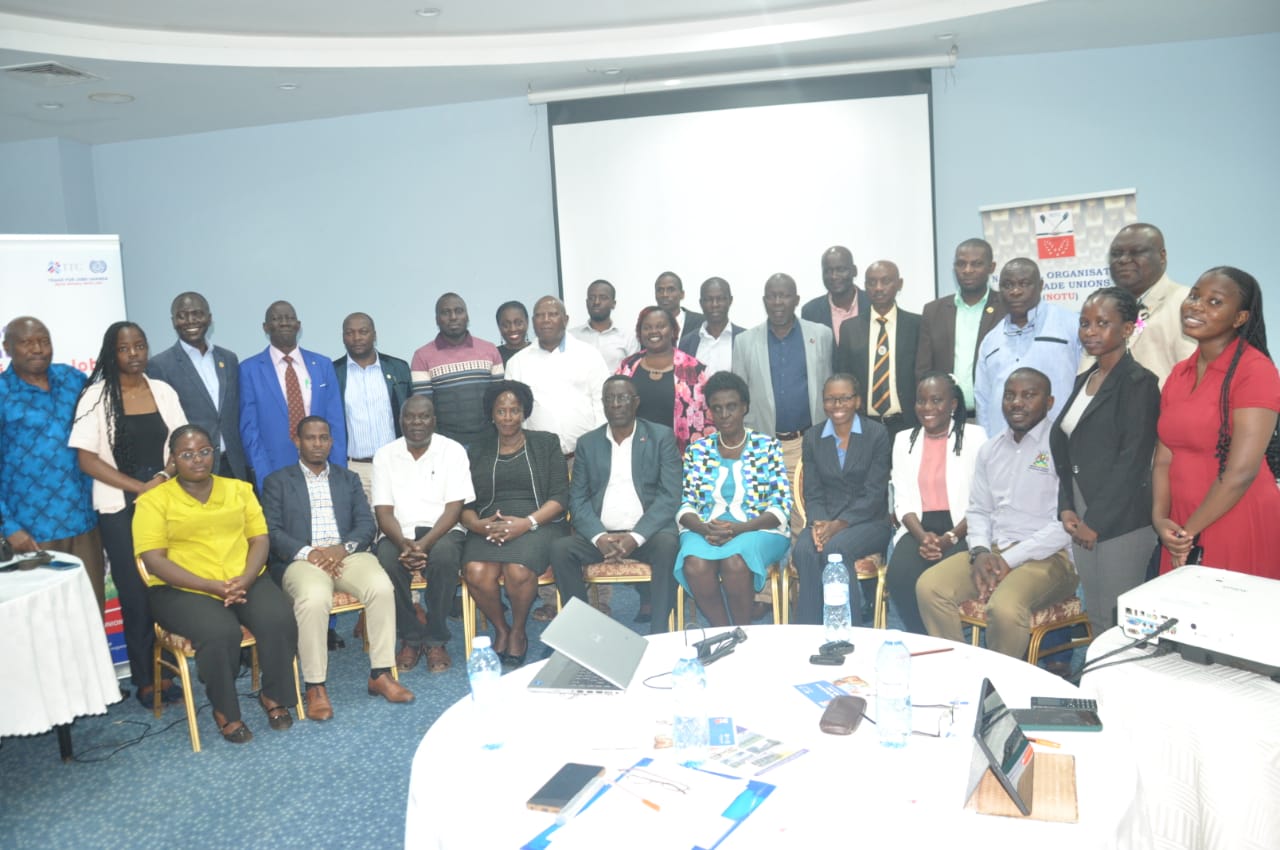
Dr Karusa Kiragu UNAIDS Country Director made the revelation this month during a science café at the offices of Health Journalists Network in Ntinda, Kampala.
“Its true the fund has taken long. What I know is that government is working on it only that its not moving as fast as we all expect,” She said.
Dr Karusa said that its sad that in Uganda 1000 people acquire HIV every week of which 300 children and adults 4000 respectively, adding that financing of HIV response is hugely donor funded accounting for 70%. .
While the country is moving to middle income status, it has an implication on people living with HIV since more are getting infected by Non Communicable Diseases like diabetes, heart diseases , High blood pressure among others.
Alice Kayongo the Advocacy and Research Manager at Uganda Cares added that if the fund was operational, it would be a huge relief to the burden the country is currently facing. “We need to know where the money is going to come from before we begin demanding it from government because I know the tax base is very low,” Kayongo noted.
Richard Lusimbo the Research and Documentation manager at Sexual Minorities Uganda appealed to government to operationize the fund because it will go along way in reducing the burden of HIV which as taken a huge toil on the country. He added that the fund should come to pass because Ugandans need it like today.
“Government needs to commit fiancé in the fund because the donor funding comes with conditions that may not be in our interests,” Lusimbo noted.
Last year, Health Minister Dr. Jane Ruth Aceng rallied young people living with HIV to petition government to operationalize the AIDS Trust Fund (ATF), saying it is overdue.
The HIV and AIDS Prevention and Control Act, signed into law in 2014, provides for the creation of an AIDS Trust Fund, through which government should levy taxes on alcohol and soft drinks to fund the fight against HIV and AIDS.
Meanwhile, African Union is to devise a mechanism called progressive track to follow-up on African member states that committed to increase funding into HIV response in their countries.
According to Alice Kayongo from Uganda Cares, during the Abuja declaration, member states committed to boost HIV fight but to date many have not fulfilled their bargain. The Union will establish regional hubs to follow-up on government on feedback to check out among other issues inefficiencies in a way that a country will step up its game■