

By Our Correspondent in Dakar
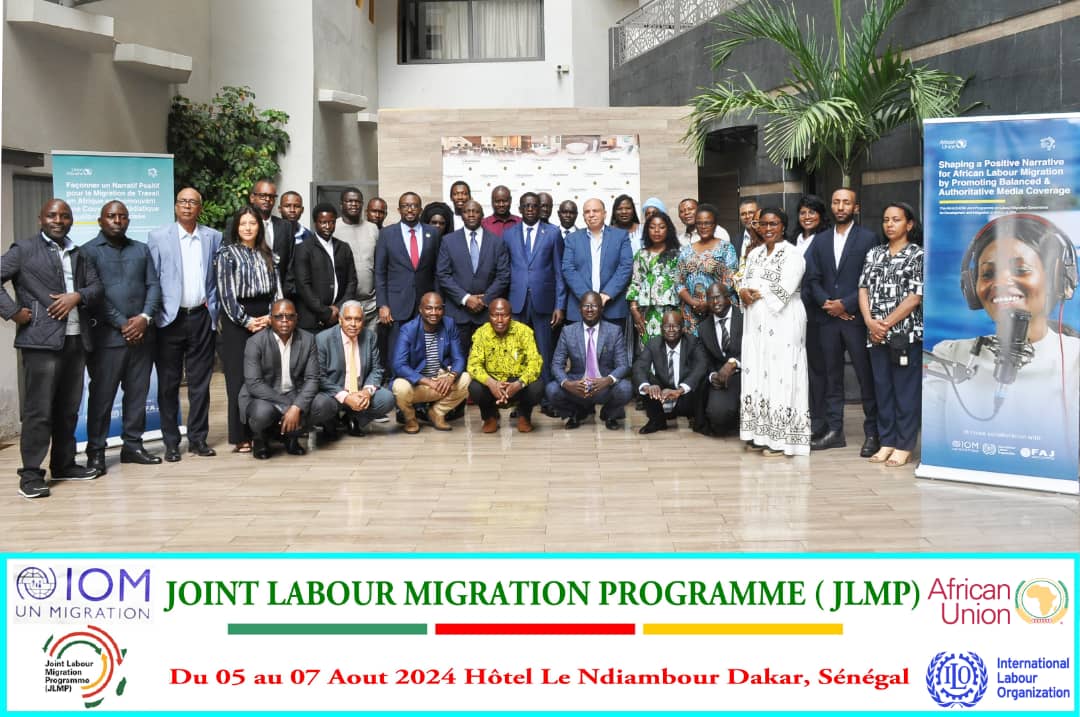
Senior news Editors and news reporters from over 35 media houses across different African countries have established a network to coordinate and improve standards for coverage of labour migration on the continent.
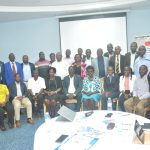
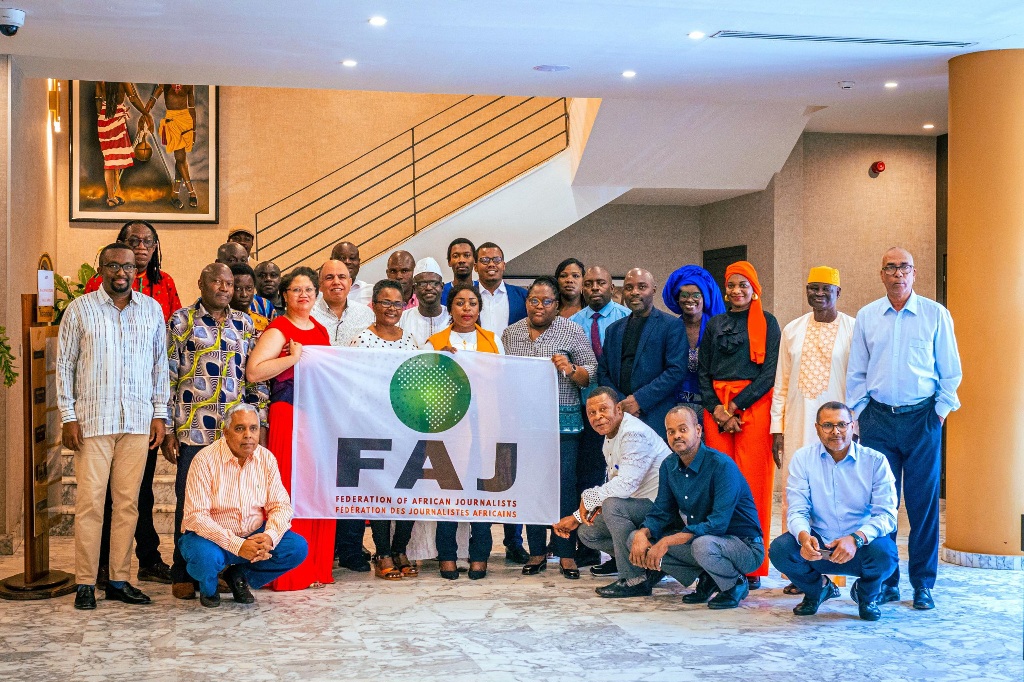
The Network was created during a Capacity-Building Workshop for Journalists and Editors on Building a Positive Narrative on Labour Migration Governance in Africa. Organized by the African Union Commission (AUC) in collaboration with the International Organization for Migration (IOM) and the Federation of African Journalists (FAJ) stakeholders converged under the continental Joint Labour Migration Programme (JLMP).
Labour migration requires coordinated efforts from governments, international organizations, employers, workers, and civil society groups. It presents challenges such as ensuring fair recruitment and protecting and safeguarding workers’ rights. Journalists highlighted the need for their active involvement in addressing pertinent issues.
“It is incumbent upon us to be at the forefront in telling the story of Africa for Africans,” said Mr. Omar Faruk Osman, President of the Federation of African Journalists (FAJ).
The editors, and other participants emphasized the key role of migration in Africa’s socio-economic landscape, recognizing its complexities and the necessity for balanced media coverage.
They acknowledged that while irregular migration flows often capture media attention, they represent only a small part of African migration realities and sometimes paint a wrong picture of the continent.
“One significant challenge we face is that some media houses in Africa publish editorial content sourced from Western media, which often perpetuates a negative portrayal of our continent. Ideally, this flow of information should be reversed, with Western media drawing from African sources to present a more balanced and accurate depiction of Africa,” said Dr. Sabelo Mbokazi, Head of the African Union’s Division of Labour, Employment, and Migration.
The workshop also issued a communique as a set of joint commitments with the AUC through the Joint Labour Migration Programme and journalists, highlighting the need for comprehensive training programmes, formulation of ethical reporting guidelines specific to labour migration and gender-sensitive reporting, among others.
According to data from the second edition of the Africa Migration Report, nearly 85.5 percent of Africa’s employed population, including migrant workers, who works in the informal sector, creating a need to tell stories from a humanistic point of view to capture migrant experiences accurately.
Africa currently has the fastest-growing youth population, with over 400 million people aged between 15 and 35 years. Their employment search often leads to migration, where the media can help them make informed choices.
This initiative follows the Doha Declaration on Labour Mobility, a set of commitments by African Union Member States and GCC, Jordan, and Lebanon to solidify efforts for the ethical recruitment of African migrant workers and safeguard their rights. The need for public information and media involvement was a key discussion point.
At the end of the three – day workshop, a network of journalists who specialise on covering Labour Migration in Africa was established.
Source: Innocent Vuga, Communications Officer , Labour, Employment and Migration Division at African Union Commission.
ends