
By Our Reporters
DILAPIDATED HOUSING SAYS UHRC REPORT
Of the 390 police personnel interviewed 29% lived in decent housing, 36% lived in oderately
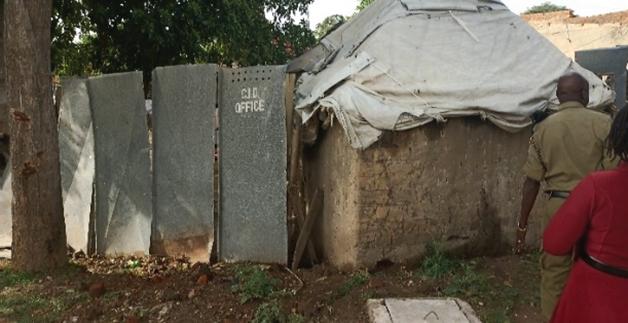
decent housing, 24% lived in dilapidated structures 3.6% lived in makeshift structures while 7.7% did not specify the state of their housing. Of these, 319 personnel were entitled to institutional accommodation even though only 225 were actually staying in the institutional housing, 27% of them in habitable housing, 33% in dilapidated structures, 2% in makeshift accommodation and 32% in moderately decent housing. The study found that even the
32% that described their housing as moderately decent were just comparing with their colleagues who lived in makeshift structures, otherwise the institutional accommodation was largely dilapidated, with shared rooms partitioned by either curtains or makeshift boards; condemned structures unfit for human habitation, uniports which are very uncomfortable. The study further established that junior personnel were the most disadvantaged in terms of acquiring decent housing. Some personnel opted to live in their homes or voluntarily rent outside institutional accommodation in order to find family time and try to live a decent life, while others especially juniors were displaced from institutional accommodation by senior personnel and any complaint regarding this would have repercussions. Yet entitled personnel who were not residing in institutional housing were not getting any special allowance and individually footed the bill. The personnel who were officially living outside the barracks raised concerns about their personal security at their places of residence, high rental charges and the challenge of finding decent accommodation that does not put the police force in disrepute. The distance between residences and workplaces impacted on availability of personnel at the workplace for efficient service delivery. Whereas 92% were found to live relatively near their duty stations (0-3km), 5% lived between 3-8kms away, while 3% lived more than 8kms away even up to 14kms. UPF does not facilitate their staff with organized transport to and from work yet they are on call 24/7. The few that had official transport were struggling with the challenge of inadequate facilitation for fuel.
STATUS OF UTILITIES AND SANITATION
Majority of the respondents (80%) had access to water within the vicinity of their accommodation. However only 62% had their water bills paid by the UPF; 19% paid their own bills, 13% accessed free water while 6% got water through community contribution. However even the 80% complained about congestion at the water points especially for big barracks. The bigger number of respondents had access to electricity (71%) especially in urban areas. In the outposts majority used torches, phone light, kerosene lamps, candles and moonlight for lighting while others used charcoal and firewood for cooking and ironing. Whereas payment of electricity bills in police units was centrally done by UPF there was a disparity in the timeliness of payment of the bills.
ACCESS TO MEDICAL CARE
UPF has a medical scheme whereby the personnel access medical services starting from the available health centres within their facilities to the level of getting a recommendation from the medical board for complicated cases that require specialized treatment. However, only 40% of the interviewed personnel were aware of the scheme and its funding modalities. Respondents complained that they had to queue for services like any other patients yet they were required to be on call 24/7 and were not aware of any special arrangement to get immediate attention when injured while on duty. The respondents were aware that personnel who could not be managed at the UPF health facilities were referred to government hospitals and in some instances other specialized facilities paid for by UPF or entitled to a refund in case of personal expenditure on the referred service. However, they complained of lack of transport facilitation to reach the government facilities and lack of medicines in the government health facilities where they were referred to, as well as alleged nepotism and corruption in medical referrals. They decried the bureaucracy involved in getting refunds which had to be processed from the Police Headquarters in Kampala, as well as the discriminatory manner in which they were handled mostly favouring the senior personnel.
DECENT BURIAL FOR POLICE PERSONNEL
The research found disparities in the way deceased personnel were sent off with senior personnel and those at the headquarters getting a befitting send-off fully sponsored by UPF while others especially upcountry depended on collections from colleagues as the funding provided by UPF would be meagre. This they said was demoralizing.
INTERFERENCE IN POLICE WORK
The majority (78%) of respondents confirmed having experienced interference of a political, social, cultural, economic and environmental nature. The majority (64%) had encountered political interference, 21% social, 18% cultural 11% economic and 7% environmental. They cited civilians and community members who resisted/obstructed arrest; local leaders especially LC3s who sometimes pressed for immediate release of suspects; Senior Government officials like Resident DCs and Ministers who disrupted investigations; land dealers who sometimes bribed superiors to influence decisions; prominent citizens and complainants who wanted things done their way and personnel from sister security agencies e.g. UPDF who at times interfered with investigations, confronted police personnel or took the lead in cases which UPF should have handled. The manner in which interferences were executed was disempowering to the police personnel who were often humiliated or belittled before members of the public. This undermined their authority and in essence the authority of the UPF. Internal interference was also said to manifest through: Bosses who gave conflicting instructions and influenced transfers of those who declined to comply; colleagues at the same rank who considered themselves superior because of favoritism and the way they were recruited (underhand methods); police officers and administrators who intervened in cases concerning their relatives; discrimination in accessing work tools/facilities and betrayal by fellow officers. The emerging issue of the Covid-19 pandemic impacted the UPF personnel’s observance of human rights and affected them as rights holders. This was as a result of incidents that tainted the UPF public image when some personnel violated human rights in an attempt to manage the defiant members of the public who did not appreciate the importance of the restrictions. However, some respondents said they were not affected by any form of interference because they were well trained, empowered to manage their work in a professional manner and they resisted interference because they were■